


5 Campbeltown & Island Whiskies That Showcase Funk & Soul | Springbank, Talisker & More
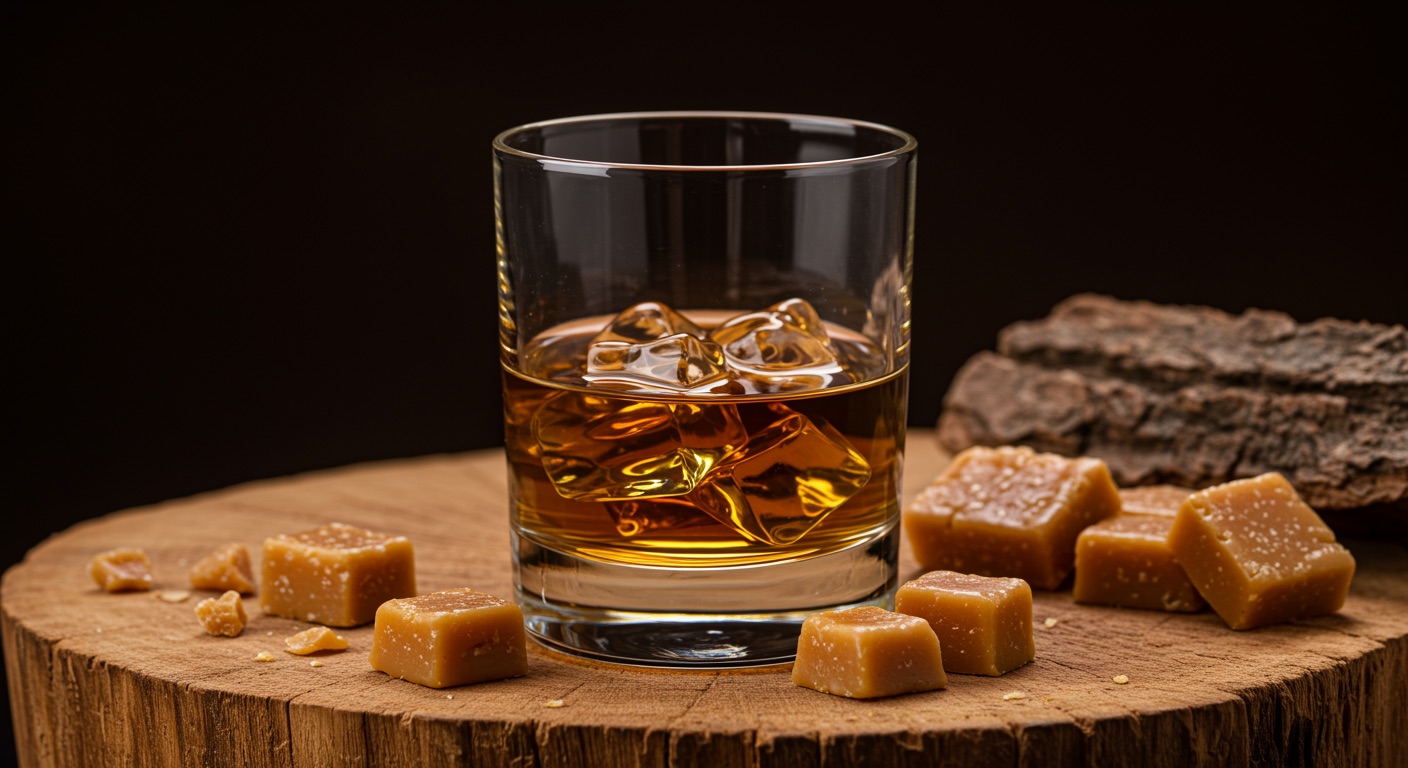
When it comes to Scottish whisky regions, none capture the raw, untamed essence of maritime distilling quite like Campbeltown and the Islands. These aren’t your genteel Highland malts or predictable Speyside expressions. This is whisky with attitude – Campbeltown funk meets Island soul in a symphony of salt, smoke, and unbridled character that’ll make your taste buds weep tears of joy.
Today we’re diving deep into what makes these regions so bloody brilliant, exploring the legends like Springbank and Talisker that put these areas on the map, and introducing you to five absolute belters that showcase everything from Campbeltown’s funky fermentation character to the Islands’ wind-whipped maritime soul.
Featured Episode: Murder, Mystery, and Malt

Speaking of Campbeltown’s character, our recent episode with author Natalie Jayne Clark explored how she chose Campbeltown as the setting for her debut novel ‘The Malt Whisky Murders.’ The region’s gritty, authentic whisky culture provides the perfect backdrop for murder and mystery – proving that Campbeltown whisky isn’t just complex in the glass!
What Makes Campbeltown Funk So Special?
Campbeltown whisky is like that mate who’s rough around the edges but has more character in their little finger than most folk have in their entire body. Once home to over 30 distilleries, this tiny peninsula on Scotland’s west coast now hosts just three active producers: Springbank, Glen Scotia, and Glengyle. But what they lack in numbers, they more than make up for in personality.

The ‘funk’ in Campbeltown comes from several sources. First, there’s the maritime influence – these distilleries are practically kissing the Atlantic, with salt spray seasoning every warehouse. Then there’s the unique production methods, particularly at Springbank, where they do everything the hard way: floor malting, direct firing, worm tubs, and the most gloriously inefficient distillation process you’ll ever encounter.
But it’s the yeast that really creates the magic. Campbeltown distilleries often favour longer fermentation times, allowing wild yeasts to crash the party and create those distinctive fruity esters that give Springbank whisky its legendary complexity. It’s controlled chaos in a copper pot, and the results are absolutely sublime.
Island Soul: Where Scotland Meets the Sea
Island whisky isn’t technically a region (they’re officially Highland), but tell that to anyone who’s sipped a Talisker while watching waves crash against Skye’s dramatic coastline. These island distilleries – from Talisker on Skye to Ardbeg on Islay – create whiskies that taste like liquid geography.
The Island soul comes from exposure to the elements. These aren’t protected inland sites; they’re facing down Atlantic storms, breathing salt air, and aging whisky in warehouses that genuinely shake when the weather turns nasty. The result is whisky with a backbone of brine and a heart of maritime adventure.

Talisker whisky exemplifies this perfectly. That distinctive ‘chili catch’ in the finish? That’s not just clever marketing – that’s the sea talking to you through the glass. When you taste Island whiskies, you’re experiencing centuries of maritime influence crystallised into liquid form.
Five Drams That Define Funk & Soul
1. Springbank 10 Year Old – The Campbeltown Classic
If Campbeltown had a national anthem, Springbank 10 would be humming along. This is Campbeltown funk in its purest form – complex, slightly challenging, and utterly rewarding. The nose offers fresh fruit, vanilla, and that distinctive Springbank oiliness that coats your glass like liquid silk.
On the palate, you get classic Campbeltown characteristics: maritime salt, dried fruits, gentle smoke, and a creamy mouthfeel that speaks to their traditional production methods. The finish is long and warming, with hints of pepper and oak that remind you you’re drinking something properly artisanal. This isn’t mass-produced whisky; this is liquid craftsmanship.
2. Talisker 10 Year Old – Island Soul Personified
Talisker whisky needs no introduction among whisky enthusiasts, but it bears repeating just how bloody brilliant this expression is. The nose immediately transports you to Skye – sea spray, peat smoke, and orchard fruits dancing together in perfect harmony.
That famous ‘chili catch’ hits on the finish, a warming spice that’s become Talisker’s signature. But there’s so much more: sweet honey, cracked black pepper, dried fruits, and always that underlying maritime influence that makes Island whisky so distinctive. It’s whisky that tastes like adventure.

3. Glen Scotia 15 Year Old – The Underrated Gem
Glen Scotia doesn’t get the press that Springbank attracts, but this 15-year-old expression proves they’re crafting world-class Campbeltown whisky. Aged in American oak and finished in Pedro Ximénez sherry casks, it’s a masterclass in cask influence meeting regional character.
The sherry finish adds layers of dried fruits, nuts, and warming spices, while the underlying Campbeltown funk provides complexity and depth. There’s honey, vanilla, gentle smoke, and always that maritime edge that defines the region. It’s accessible enough for newcomers but complex enough to keep experienced whisky drinkers coming back for more.
4. Ardbeg 10 Year Old – Islay’s Island Intensity
Technically Highland but spiritually pure Island, Ardbeg represents the extreme end of Island soul. This is peat smoke meets sea salt in a glass, with an intensity that’ll wake the dead and convert the sceptical.
The nose is all bonfire smoke, seaweed, and medicinal phenols, but there’s surprising sweetness underneath – vanilla, lemon citrus, and even hints of chocolate. On the palate, it’s a controlled explosion of smoke, brine, and fruit, with a finish that seems to last until next Tuesday. This isn’t whisky for the faint-hearted, but for those who appreciate bold flavours, it’s nothing short of magnificent.
5. Springbank 12 Year Old Cask Strength – Funk Amplified
If regular Springbank 10 is Campbeltown funk, then the 12-year-old cask strength is funk amplified to eleven. Released at natural strength (usually around 52-56% ABV), this expression showcases what happens when you don’t dilute Campbeltown character.
Everything that makes Springbank special gets turned up: the oiliness, the fruit, the maritime influence, the complexity. It’s demanding whisky that rewards patience and attention. Add a splash of water and watch it bloom into something extraordinary – layers of fruit, spice, smoke, and that distinctive Campbeltown oiliness that makes every sip an exploration.
Understanding the Production Differences
What makes Campbeltown whisky and Island whisky so distinctive comes down to production methods that other regions have largely abandoned in favour of efficiency.

Springbank, for instance, still practices floor malting, where barley is spread across malting floors and turned by hand with traditional tools. They use direct-fired stills, heated by gas flames rather than steam, which adds complexity through slightly uneven heating. Their fermentation vessels are made of larch wood, and they use worm tubs for condensation – all techniques that modern efficiency experts would call mad, but which create unparalleled character.
Island distilleries like Talisker face unique challenges from their maritime locations. Salt air infiltrates everything, from the barley during malting to the whisky during maturation. The constant exposure to weather extremes affects barrel expansion and contraction, accelerating the interaction between wood and spirit.
The Historical Context
Campbeltown’s whisky history reads like a Greek tragedy. In the late 19th century, it was Scotland’s whisky capital, with 34 distilleries operating on this small peninsula. The region’s whiskies were legendary, shipped worldwide and commanding premium prices.
But greed killed the golden goose. Distillers began cutting corners, reducing quality to meet demand, and Campbeltown whisky’s reputation plummeted. Prohibition in America destroyed their largest market, and by the 1930s, only a handful of distilleries survived. Today’s three active distilleries are keepers of a proud tradition, crafting whisky the way their ancestors did when Campbeltown ruled the whisky world.
Island distilleries have their own tales of struggle and survival. Many closed during whisky’s dark periods in the 1980s and 1990s, but those that survived have become legends. Talisker weathered storms both literal and metaphorical, becoming one of the most recognised single malts globally while never forgetting its island roots.
Food Pairing and Serving Suggestions
Campbeltown whisky and Island whisky demand respect in how they’re served and paired. These aren’t background spirits; they’re conversation starters that deserve attention.
For Springbank expressions, try pairing with rich, oily fish like mackerel or salmon. The whisky’s maritime character complements seafood beautifully, while its oiliness matches the fish’s texture. Dark chocolate works brilliantly too – the bitter notes play against Springbank’s fruitiness.

Talisker whisky pairs wonderfully with spicy foods – its own chili catch can stand up to serious heat. Try it with Thai curry or Mexican cuisine. The smoky Island character also works with barbecued meats, particularly beef or lamb with strong marinades.
Always serve these whiskies neat first, then experiment with water. A few drops can unlock hidden flavours, but don’t drown them. These are whiskies that have earned their strength and complexity.
Building Your Collection
If you’re serious about understanding Scottish whisky, Campbeltown and Island expressions aren’t optional – they’re essential. Start with the classics: Springbank 10 and Talisker 10 give you perfect introductions to their respective styles.
From there, explore older expressions and different cask types. Glen Scotia’s various finishes show how Campbeltown funk interacts with different wood influences. Ardbeg’s core range demonstrates the extreme end of Island character.
For collectors, keep an eye on independent bottlings from closed Campbeltown distilleries like Longrow (though technically that’s Springbank’s heavily peated expression) and rare Island releases. These regions produce limited quantities, making their special releases genuinely special.
The Future of Funk & Soul
Both regions face challenges. Campbeltown’s tiny production means supply constraints, with Springbank often selling out within hours of release. Island distilleries must balance growing global demand with maintaining their unique characters.
But there’s cause for optimism. New investors are eyeing both regions, and there’s renewed appreciation for traditional production methods. The whisky world is realising that efficiency isn’t everything – sometimes the hard way is the better way.
Young distillers are learning from masters like Springbank’s Frank McHardy and carrying forward techniques that seemed destined for extinction. The funk and soul that define these regions aren’t just surviving; they’re inspiring a new generation of whisky makers worldwide.

Responsible Appreciation
These powerful, characterful whiskies deserve thoughtful consumption. Take time to appreciate their complexity, sip slowly, and always drink responsibly. The craftsmanship that creates Campbeltown funk and Island soul has taken centuries to develop – show it the respect it deserves.
Conclusion: Embrace the Character
Campbeltown whisky and Island whisky represent Scottish distilling at its most authentic and uncompromising. These aren’t whiskies for everyone, and that’s precisely what makes them brilliant. In a world of focus groups and mass appeal, they remain defiantly themselves.
Whether it’s Springbank’s oily complexity, Talisker’s maritime soul, or the intense character of Ardbeg, these whiskies offer experiences you simply can’t find elsewhere. They’re liquid adventures, bottled stories of storms weathered and traditions preserved.
So next time you’re choosing a dram, consider embracing the funk and soul. Your palate might be challenged, but it’ll definitely be rewarded. After all, the best whiskies aren’t always the easiest ones – sometimes they’re the ones that make you work a little harder for the pleasure.
Ready to explore more whisky adventures? Visit our main blog for more tasting notes, distillery stories, and whisky wisdom, or learn more about WhiskyAngelz and our mission to make great whisky accessible to everyone.

