

10 Scotland’s Finest Whiskies: From Dram to Distillery Complete Guide
Scotland’s finest whiskies have captivated spirits enthusiasts for centuries, transforming from humble Highland streams into liquid poetry that graces glasses worldwide. Whether you’re just beginning your journey or you’re a seasoned collector, understanding the path from dram to distillery unlocks the true magic of Scottish whisky culture.

In our recent WhiskyAngelz episode exploring Witches, Monks & Malt: The Secret Origins of Scotch at Lindores Abbey Distillery, we discovered how Scotland’s finest whiskies trace their roots back to 1494 at Lindores Abbey, the birthplace of recorded Scotch whisky. This fascinating journey reveals how Friar John Cor’s famous entry marked the beginning of what would become Scotland’s most celebrated export.

“Journey to Lindores Abbey, the birthplace of recorded Scotch whisky (1494), and uncover the overlooked role women played in early distillation—before witch trials turned their craft into ‘evidence.’ We explore Friar John Cor’s famous entry, the rise of male guilds,” reveals the rich history behind Scotland’s finest whiskies.
The Five Sacred Regions of Scotland’s Finest Whiskies
Understanding Scotland’s whisky regions is essential to appreciating the country’s finest whiskies. Each region produces distinctive flavour profiles that reflect their unique terroir, climate, and production traditions.

Speyside: The Heart of Scotland’s Finest Whiskies
Speyside produces more than half of Scotland’s malt whiskies, earning its reputation as the spiritual home of Scotch. Home to legendary distilleries like Macallan, Glenfiddich, and Balvenie, this region consistently delivers some of Scotland’s finest whiskies. The River Spey provides the purest water, whilst the region’s temperate climate creates ideal maturation conditions.
Classic Speyside characteristics include:
• Elegant fruit notes – apple, pear, and citrus
• Honeyed sweetness – from careful cask selection
• Complex spice layers – cinnamon, nutmeg, and vanilla
• Refined balance – showcasing master blender expertise
Islay: The Peat Paradise of Scotland’s Finest Whiskies
Islay whiskies represent the bold, uncompromising face of Scotland’s finest whiskies. This small Hebridean island produces intensely peated expressions that divide opinion but command fierce loyalty. Ardbeg, Lagavulin, and Laphroaig create whiskies that embody the wild Atlantic character.
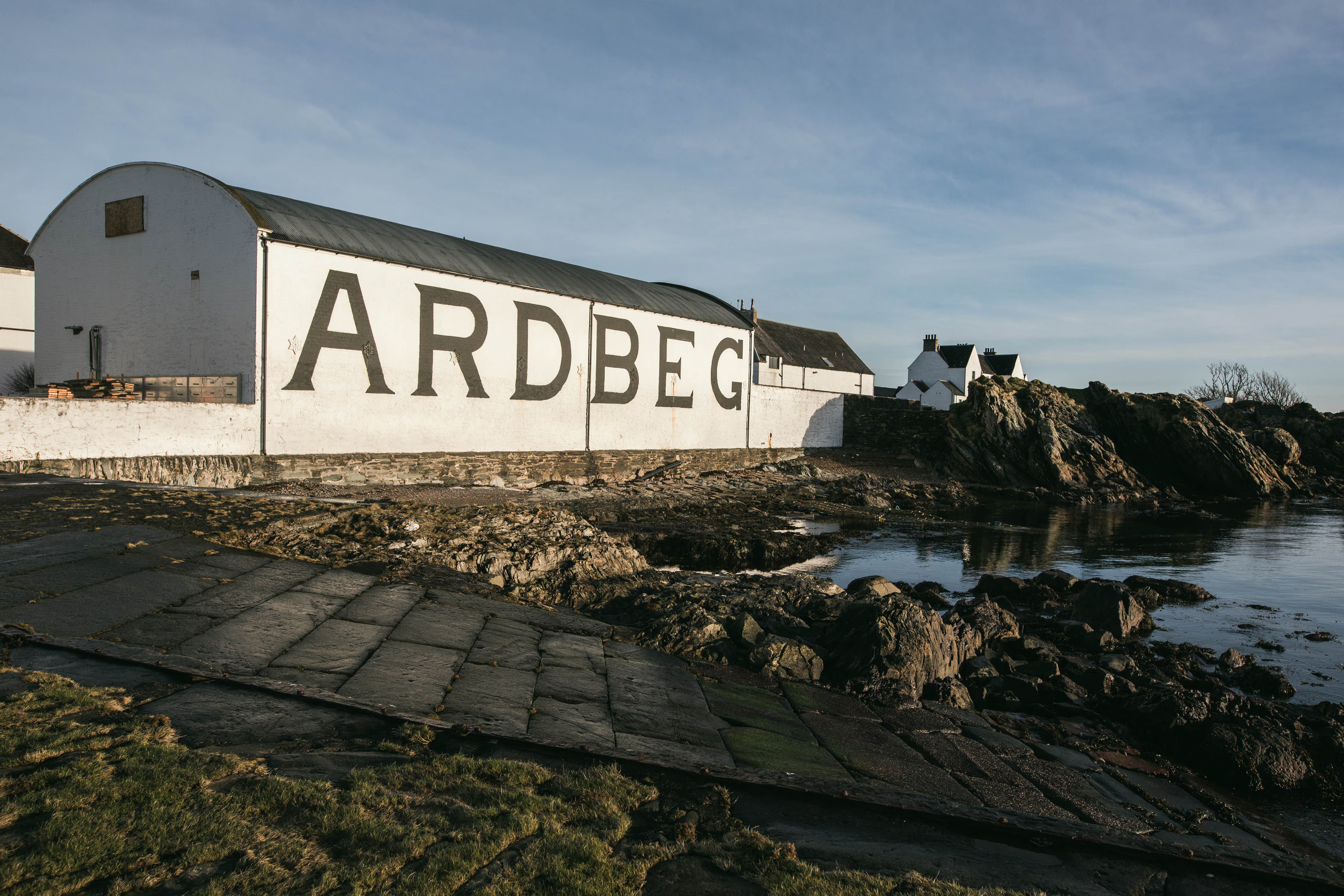
The Scotch Whisky Association recognises Islay’s unique contribution to Scotland’s finest whiskies, noting how the island’s peat bogs, maritime climate, and traditional production methods create unreplicable flavour profiles.
Highland: The Diverse Kingdom of Scotland’s Finest Whiskies
The Highland region encompasses Scotland’s largest whisky-producing area, delivering remarkable diversity among Scotland’s finest whiskies. From the coastal salinity of Oban to the rich fruitiness of Dalmore, Highland whiskies showcase every conceivable flavour profile.
Highland sub-regions include:
• Northern Highlands – robust, full-bodied expressions
• Southern Highlands – lighter, more accessible styles
• Eastern Highlands – fruity, complex characters
• Western Highlands – maritime influences, coastal notes
Lowland: The Gentle Introduction to Scotland’s Finest Whiskies
Lowland whiskies provide the perfect entry point into Scotland’s finest whiskies. These expressions typically showcase lighter, more approachable profiles without sacrificing complexity. Glenkinchie, Ailsa Bay, and Auchentoshan represent this region’s elegant restraint.

Campbeltown: The Forgotten Jewel of Scotland’s Finest Whiskies
Once home to over 30 distilleries, Campbeltown now hosts just three active producers: Springbank, Glen Scotia, and Glengyle. These remaining guardians produce some of Scotland’s finest whiskies, characterised by maritime salinity, complex peat usage, and traditional production methods.
From Barley to Bottle: Creating Scotland’s Finest Whiskies
Understanding the production process deepens appreciation for Scotland’s finest whiskies. Each step contributes unique characteristics that distinguish exceptional expressions from ordinary spirits.
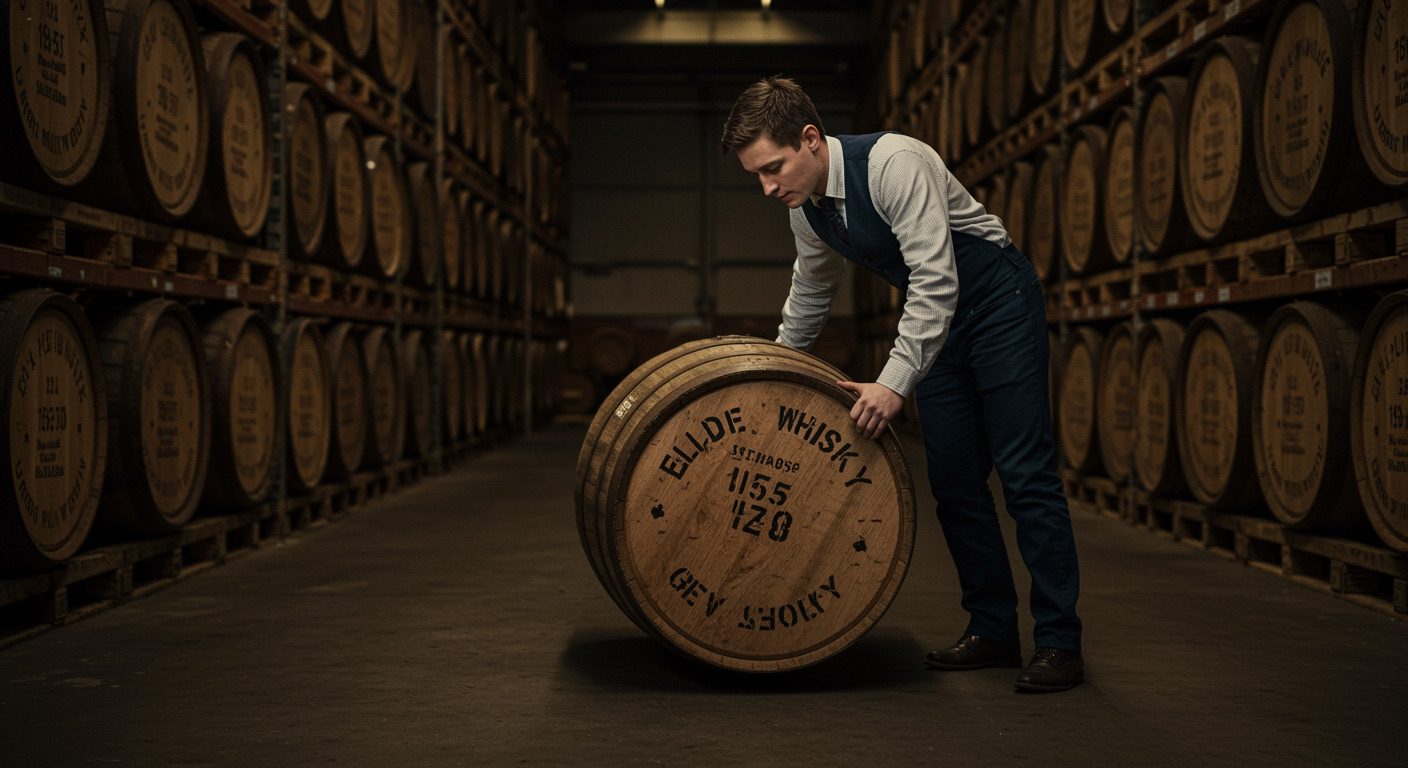
Malting: The Foundation of Scotland’s Finest Whiskies
Malting transforms raw barley into fermentable sugars, laying the groundwork for Scotland’s finest whiskies. Traditional floor malting still occurs at select distilleries like Balvenie and Springbank, whilst most producers rely on commercial maltings.
The malting process involves:
• Steeping – soaking barley in water
• Germination – converting starches to sugars
• Kilning – stopping germination with heat
• Peat smoking – adding phenolic compounds (optional)
Mashing and Fermentation: Building Flavour in Scotland’s Finest Whiskies
Mashing extracts fermentable sugars from malted barley, creating wort that feeds yeast during fermentation. Scotland’s finest whiskies benefit from carefully controlled fermentation temperatures and selected yeast strains that develop specific flavour compounds.
Distillation: The Art Behind Scotland’s Finest Whiskies
Scottish whisky law mandates copper pot still distillation, but each distillery employs unique approaches. Still shapes, sizes, and heating methods significantly influence the character of Scotland’s finest whiskies.
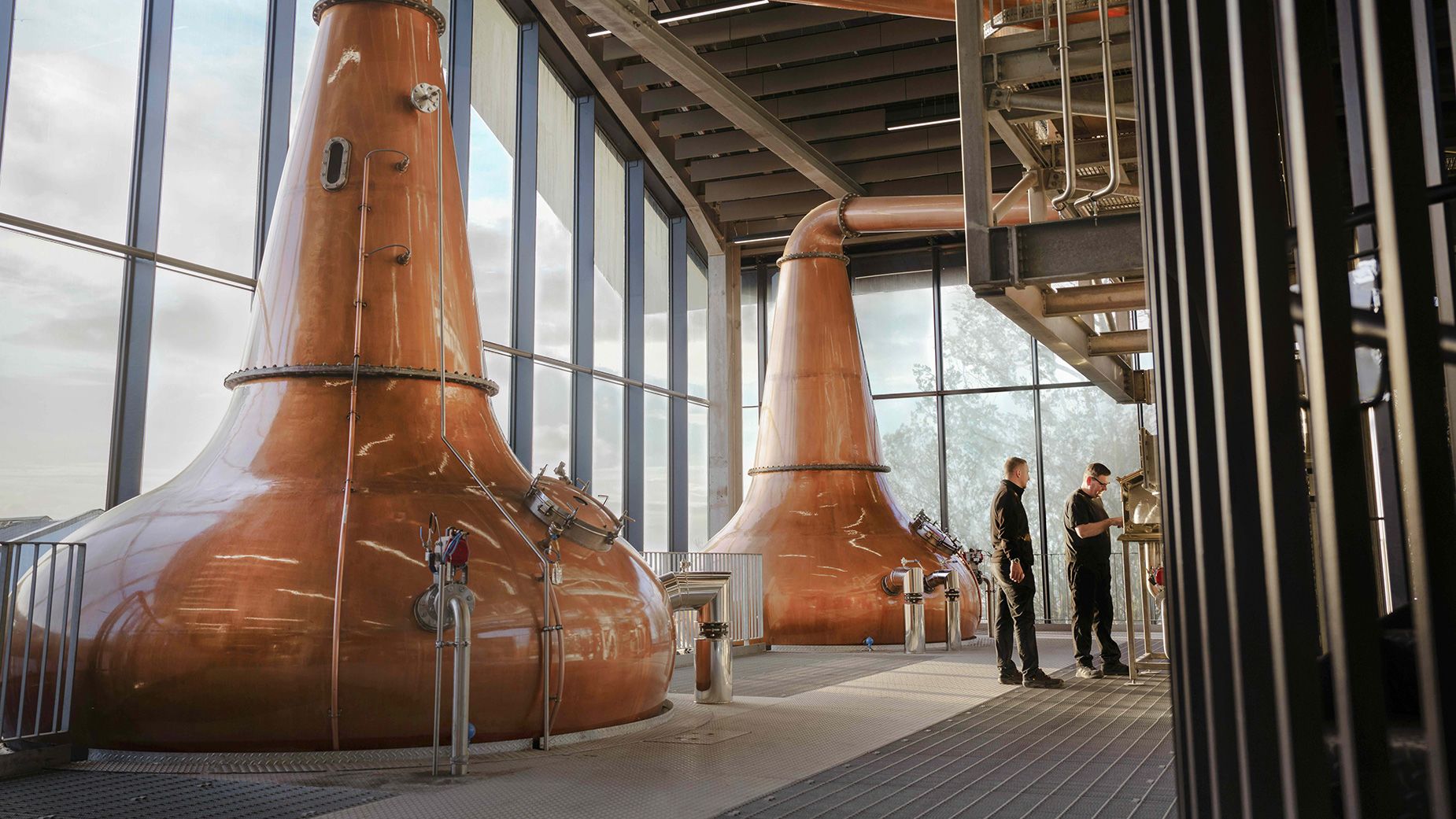
Key distillation factors include:
• Still design – tall stills create lighter spirits
• Cut points – determining heads, hearts, and tails
• Reflux levels – affecting purity and character
• Distillation speed – slower distillation increases complexity
Cask Maturation: Time’s Gift to Scotland’s Finest Whiskies
Maturation in oak casks transforms raw spirit into Scotland’s finest whiskies. Scottish law requires minimum three-year maturation, but the best expressions age much longer, developing layers of complexity impossible to achieve otherwise.

Cask Types Shaping Scotland’s Finest Whiskies
Different cask types impart distinctive characteristics to Scotland’s finest whiskies:
• American Oak Bourbon Barrels – vanilla, coconut, sweet spices
• European Oak Sherry Butts – rich fruits, nuts, Christmas cake
• Port Pipes – berry fruits, chocolate, wine tannins
• Virgin Oak – intense woody spices, robust flavours
The Angel’s Share: Nature’s Tax on Scotland’s Finest Whiskies
During maturation, approximately 2% of whisky evaporates annually through cask pores – the romantic “Angel’s Share.” This natural process concentrates flavours whilst allowing the spirit to breathe, contributing to the complex character of Scotland’s finest whiskies.
Tasting Scotland’s Finest Whiskies: A Sensory Journey
Properly tasting Scotland’s finest whiskies requires patience, practice, and the right approach. Understanding how to evaluate appearance, aroma, taste, and finish enhances appreciation for these liquid masterpieces.

The Visual Assessment of Scotland’s Finest Whiskies
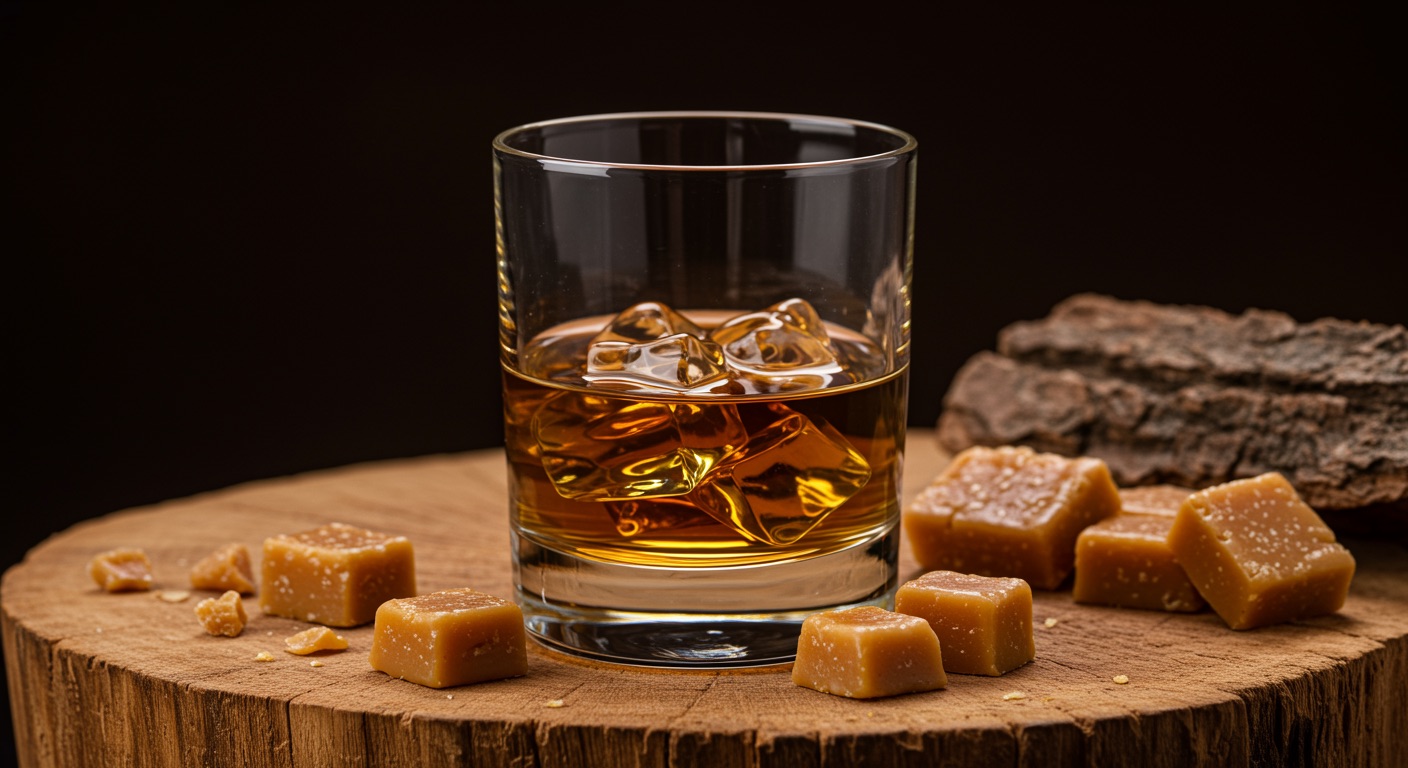
Scotland’s finest whiskies display colours ranging from pale gold to deep amber, influenced by cask type and maturation length. Natural colour indicates quality, whilst artificial colouring suggests mass production.
Nosing Scotland’s Finest Whiskies
Aroma evaluation reveals crucial information about Scotland’s finest whiskies. Add a few drops of water to open up the spirit, then nose gently to identify:
• Primary aromas – from raw materials
• Secondary aromas – from fermentation
• Tertiary aromas – from maturation
Palate Analysis of Scotland’s Finest Whiskies
Take small sips to analyse Scotland’s finest whiskies properly. Allow the whisky to coat your palate, identifying sweetness, acidity, bitterness, and umami elements alongside specific flavour notes.
Building Your Collection of Scotland’s Finest Whiskies
Collecting Scotland’s finest whiskies requires strategy, patience, and careful consideration of storage conditions. Whether seeking investment bottles or personal enjoyment, understanding market trends and quality indicators proves invaluable.

Essential Bottles for Scotland’s Finest Whiskies Collection
Every serious collection of Scotland’s finest whiskies should include representatives from each region:
• Speyside – Macallan 18, Glenfiddich 21, or Balvenie DoubleWood
• Islay – Ardbeg Uigeadail, Lagavulin 16, or Laphroaig Quarter Cask
• Highland – Dalmore 18, Highland Park 18, or Glenmorangie Quinta Ruban
• Lowland – Glenkinchie Distillers Edition or Auchentoshan Three Wood
• Campbeltown – Springbank 15 or Glen Scotia Victoriana
Storage Considerations for Scotland’s Finest Whiskies
Proper storage preserves the quality of Scotland’s finest whiskies:
• Temperature control – avoid extreme fluctuations
• Light protection – prevent UV damage
• Upright storage – protect cork integrity
• Humidity management – prevent label deterioration
Food Pairing with Scotland’s Finest Whiskies
Pairing food with Scotland’s finest whiskies elevates both the meal and the dram. Understanding complementary and contrasting flavours creates memorable dining experiences.
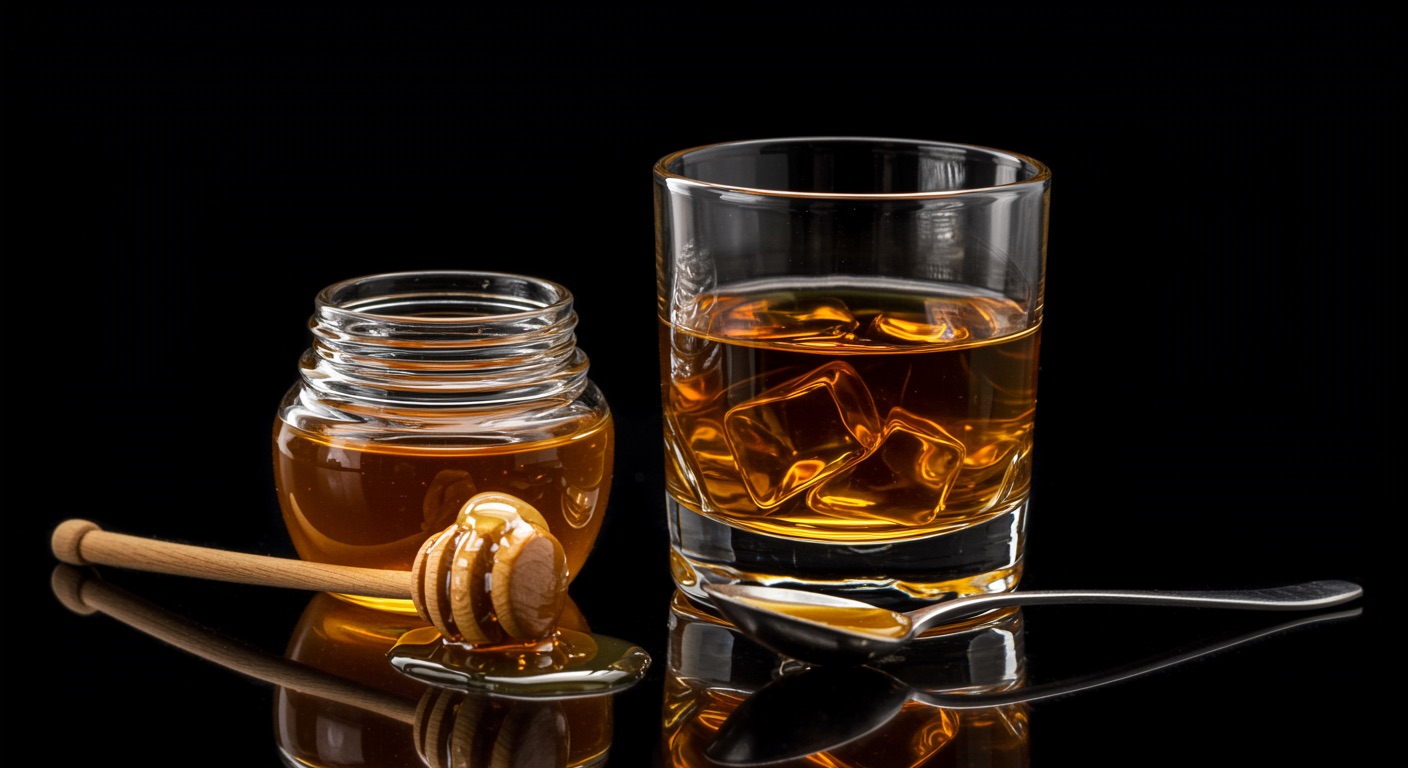
Classic Pairings for Scotland’s Finest Whiskies
• Peated Islay whiskies – smoked salmon, oysters, dark chocolate
• Speyside expressions – fresh fruits, nuts, light seafood
• Highland malts – game meats, aged cheeses, hearty stews
• Lowland whiskies – delicate fish, light appetisers, fruit tarts
The Future of Scotland’s Finest Whiskies
Scotland’s finest whiskies continue evolving through innovative production techniques, sustainable practices, and changing consumer preferences. Climate change impacts on barley growing regions and water sources present challenges, whilst technological advances offer new possibilities.

Sustainability in Scotland’s Finest Whiskies Production
Leading distilleries invest heavily in sustainable practices:
• Renewable energy – wind, solar, and biomass power
• Water conservation – recycling and treatment systems
• Packaging innovation – lighter bottles, recycled materials
• Carbon neutrality – offsetting production emissions
Visiting Scotland’s Finest Whiskies Distilleries
Experiencing Scotland’s finest whiskies at their source creates lasting memories. The VisitScotland whisky guide provides comprehensive information about distillery tours, tasting experiences, and regional whisky trails.

Planning Your Scottish Whisky Journey
Consider these factors when visiting distilleries producing Scotland’s finest whiskies:
• Seasonal availability – some distilleries close in winter
• Advance booking – popular tours fill quickly
• Transportation – designated drivers essential
• Accommodation – book early in popular regions
Responsible Enjoyment of Scotland’s Finest Whiskies
Scotland’s finest whiskies deserve respect and mindful consumption. Understanding personal limits and drinking responsibly ensures long-term enjoyment of these remarkable spirits. Always plan safe transportation and never drive after tasting sessions.
Conclusion: Embracing Scotland’s Finest Whiskies
Scotland’s finest whiskies represent centuries of craftsmanship, tradition, and innovation. From the sacred halls of Lindores Abbey to modern sustainable distilleries, each bottle tells a story of dedication to excellence. Whether you’re exploring your first dram or adding to an extensive collection, these liquid treasures reward curiosity, patience, and respect.
The journey from dram to distillery reveals the passion, skill, and artistry behind Scotland’s finest whiskies. Join us at WhiskyAngelz as we continue exploring the fascinating world of Scottish whisky, sharing stories, tasting notes, and the magic that transforms simple ingredients into liquid poetry.
Visit our whisky blog for more insights into Scotland’s finest whiskies, and don’t hesitate to contact us with questions about your own whisky journey. Learn more about our mission to make Scotland’s finest whiskies accessible to everyone, from curious beginners to seasoned connoisseurs.
Scotland’s finest whiskies await your discovery – slàinte mhath!

