


5 Essential Islay Whiskies: Ardbeg, Laphroaig & Lagavulin Explored
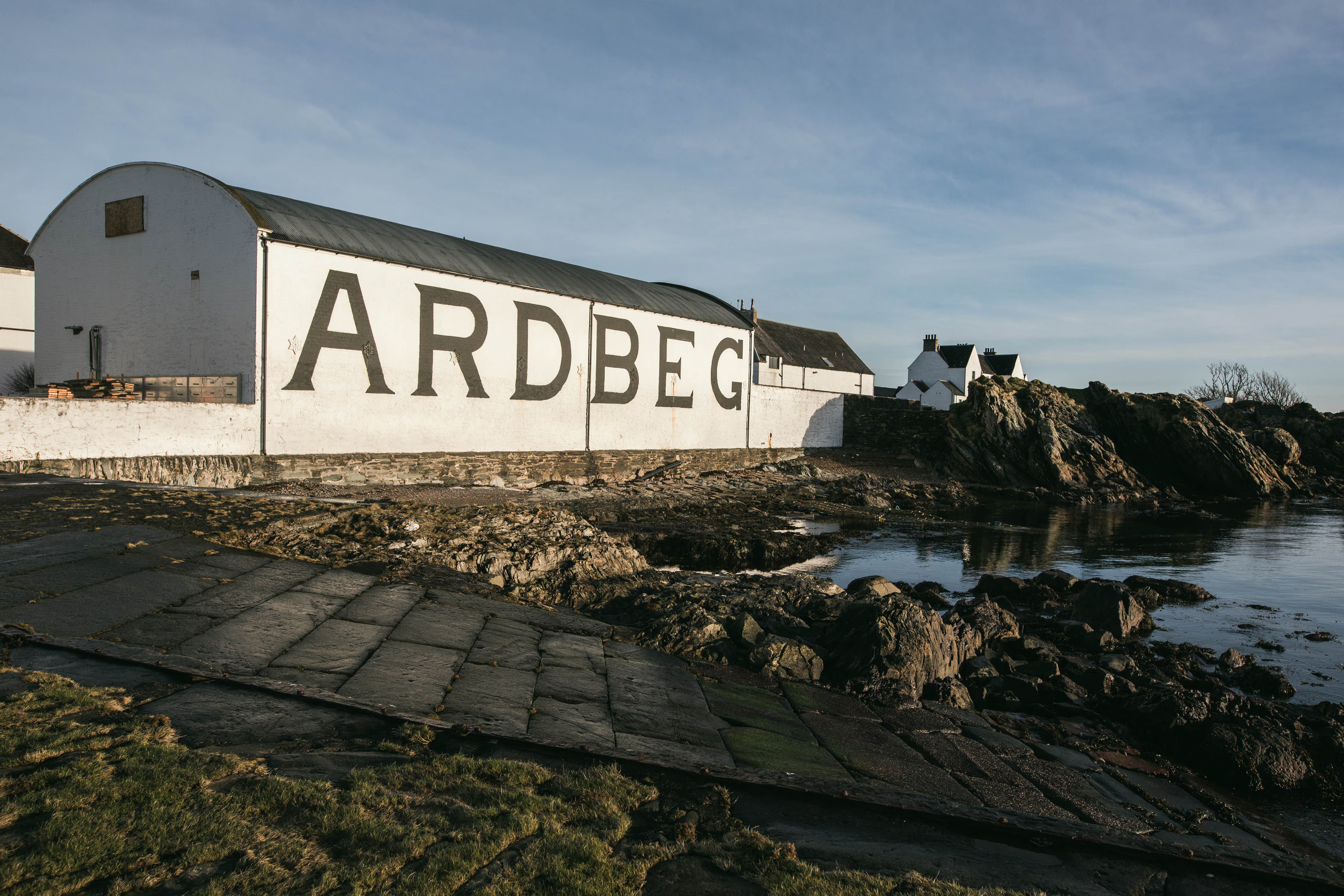
When whisky enthusiasts speak of Ardbeg, Laphroaig, and Lagavulin, they’re referring to nothing short of Islay’s holy trinity. These three legendary distilleries represent the very essence of what makes Islay whisky so extraordinary – bold, uncompromising, and gloriously smoky. Whether you’re a seasoned collector or just beginning your journey into the world of peated single malts, understanding these three giants is absolutely essential.
From the WhiskyAngelz Archives

S1 Ep 4: Gunpowder, Whisky and Women. Dram Queen Ann Miller’s tales will blow your mind!
Tune into WhiskyAngelz: Cask Strength Chaos for a wild ride through Scotland’s whisky culture. Max and Ann Miller, the Dram Queen, explore the magic of whisky festivals, the unsung heroines of whisky, and the evolution from illicit stills to global recognition.
The Geography of Greatness: Understanding Islay’s Peated Power
Ardbeg, Laphroaig, and Lagavulin aren’t just randomly scattered across Scotland – they’re concentrated on Islay’s southern coast, where the Atlantic winds carry salt spray across the island’s peat bogs. This unique terroir creates the perfect conditions for producing some of the world’s most intensely flavoured whiskies. The island’s peat, formed over millennia from decomposed heather, moss, and other vegetation, imparts that distinctive smoky character we associate with the Ardbeg Laphroaig Lagavulin Islay whisky trinity.

The VisitScotland whisky guide describes Islay as “the whisky lover’s paradise,” and it’s easy to see why. These three distilleries have shaped not just the island’s identity, but the entire perception of peated whisky worldwide.
Ardbeg: The Peat Monster’s Crown Jewel
When discussing Ardbeg, Laphroaig, and Lagavulin, we must start with Ardbeg – often considered the most intensely peated of the three. Founded in 1815, Ardbeg has weathered more ups and downs than perhaps any other distillery in Scotland. After periods of closure and uncertainty, it was rescued by Glenmorangie in 1997 (later acquired by LVMH), and since then, it’s experienced a renaissance that’s nothing short of remarkable.
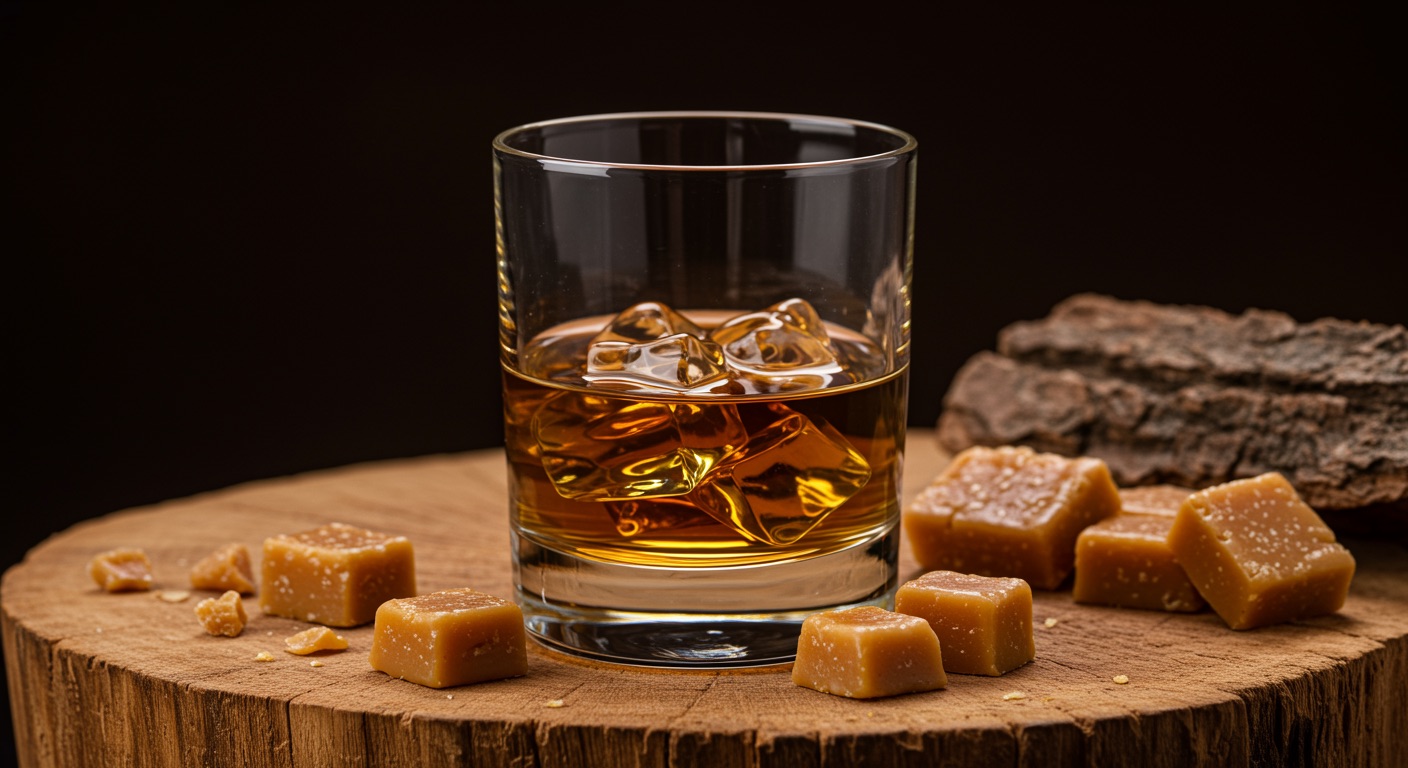
Ardbeg 10 Year Old stands as the distillery’s flagship expression, and what a flagship it is. The nose immediately announces its presence with maritime peat smoke, tar, and iodine, followed by surprising notes of vanilla and lime zest. On the palate, it’s an explosion of flavour – intense peat smoke balanced by sweet malt, dark chocolate, and that distinctive Islay salinity. The finish seems to last forever, with waves of smoke punctuated by hints of coffee and espresso.
What makes Ardbeg truly special within the Ardbeg Laphroaig Lagavulin Islay whisky trinity is its ability to balance extreme intensity with remarkable complexity. Limited releases like Ardbeg Uigeadail and Corryvreckan have achieved cult status among collectors, often appreciating significantly in value.
Laphroaig: The Medicinal Marvel
Laphroaig occupies a unique position in the world of whisky – it’s simultaneously one of the most loved and most polarising drams you’ll encounter. Founded in 1815 (the same year as Ardbeg), Laphroaig has built its reputation on producing whisky that’s uncompromisingly medicinal and maritime in character.

The distillery’s 10 Year Old expression perfectly encapsulates what makes Laphroaig so distinctive. That first nose is unmistakable – TCP, seaweed, bandages, and medicinal peat create an aroma that’s either deeply off-putting or absolutely captivating. There’s rarely middle ground with Laphroaig. On the palate, these medicinal notes are joined by vanilla sweetness, black pepper, and a coating salinity that speaks of its coastal location.
What’s fascinating about Laphroaig within the Ardbeg Laphroaig Lagavulin Islay whisky trinity is its royal warrant – it’s the only Islay whisky to hold this honour, granted by Prince Charles (now King Charles III), who’s a known fan. The distillery also operates the most successful whisky club in the world, with Friends of Laphroaig members owning small plots of land on the distillery grounds.
Lagavulin: The Sophisticated Giant
If Ardbeg is the wild child and Laphroaig the polarising maverick, then Lagavulin is the sophisticated elder statesman of the trio. Established in 1816, Lagavulin has built its reputation on producing consistently excellent whisky with a more refined approach to peat than its neighbours.

Lagavulin 16 Year Old is widely considered one of the finest expressions in the Ardbeg Laphroaig Lagavulin Islay whisky trinity. The extended maturation period allows the whisky to develop incredible depth and complexity. On the nose, you’ll find gentle peat smoke intertwined with dried fruits, sherry notes, and a hint of sea spray. The palate is rich and oily, with layers of flavour unfolding – sweet peat, dark chocolate, figs, and that characteristic Islay salinity. The finish is long and warming, with the peat smoke gradually fading to reveal notes of fruit and spice.
Lagavulin’s approach to limited releases is more measured than some of its counterparts, but expressions like the annual Offerman Edition (created in partnership with actor Nick Offerman) and the Distillers Edition have become highly sought after by collectors.
The Distillery Stories: History, Heritage, and Hollywood
The stories behind Ardbeg, Laphroaig, and Lagavulin are as rich and complex as their whiskies. Each distillery has weathered the storms of Prohibition, two World Wars, and various economic downturns, yet they’ve emerged stronger each time.

Ardbeg’s story is perhaps the most dramatic. After closure in 1981, the distillery remained mothballed until 1989, when it briefly reopened before closing again in 1996. Its rescue by Glenmorangie in 1997 began a remarkable turnaround that’s seen it become one of the world’s most awarded single malts.
Laphroaig’s history is filled with colourful characters, including Bessie Williamson, who became one of the first female distillery managers in Scotland in the 1950s. Her stewardship helped establish Laphroaig’s reputation in American markets, where it famously survived Prohibition by being classified as a medicine rather than alcohol.
Lagavulin’s Hollywood connection through Nick Offerman has introduced the distillery to a new generation of whisky drinkers, proving that tradition and innovation can coexist beautifully within the Ardbeg Laphroaig Lagavulin Islay whisky trinity.
Tasting Notes: A Flavour Journey Through Islay’s Trinity
Understanding the flavour profiles of Ardbeg, Laphroaig, and Lagavulin requires more than just reading tasting notes – it’s about appreciating how each distillery’s unique approach to production creates distinctly different expressions of Islay character.
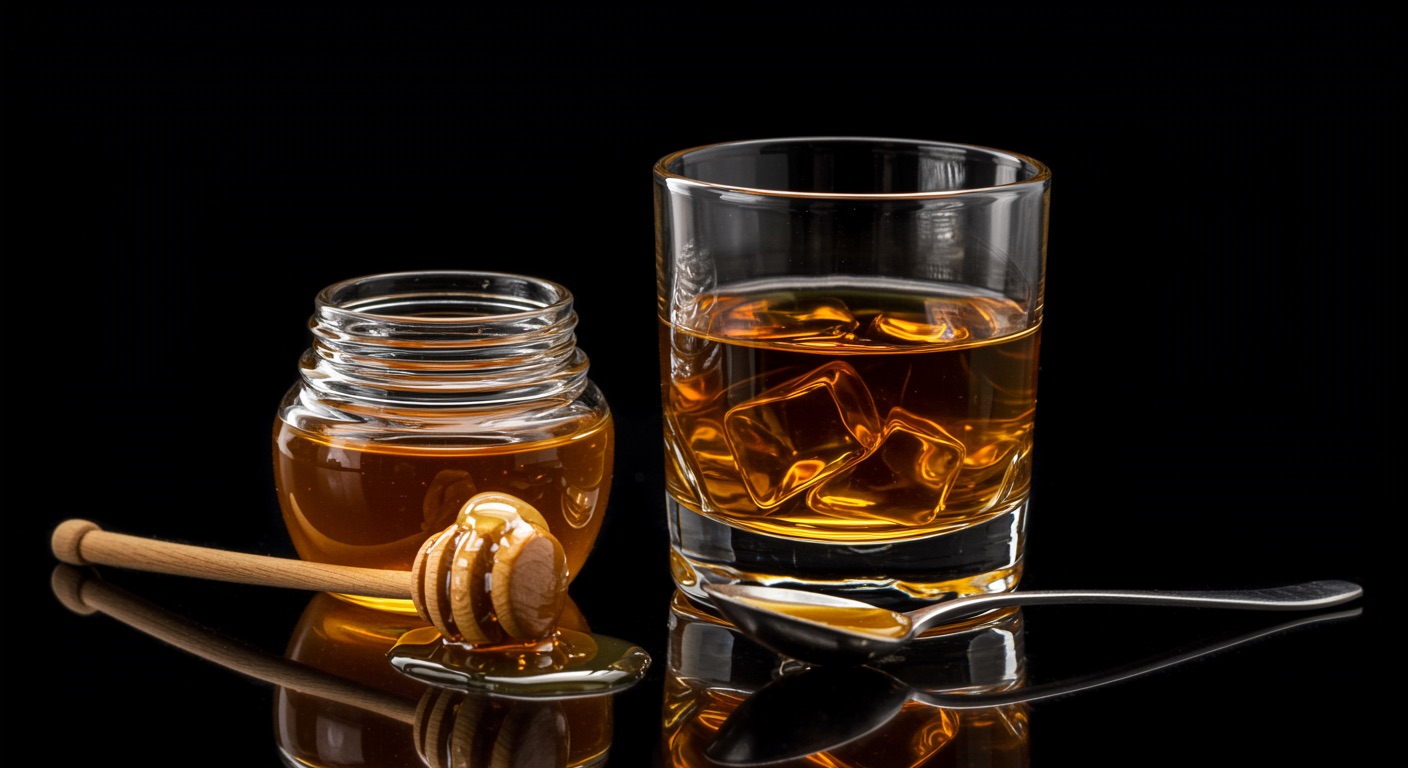
Ardbeg 10 hits you with immediate intensity – maritime peat, tar rope, and barbecue smoke on the nose, followed by explosive peat on the palate balanced by lime, vanilla, and dark chocolate. It’s whisky at its most primal and powerful.
Laphroaig 10 presents that distinctive medicinal character – TCP, seaweed, and bandages dominate the nose, while the palate adds vanilla sweetness and black pepper to the mix. It’s polarising but absolutely authentic.
Lagavulin 16 offers the most refined experience of the three – gentle peat smoke with dried fruits and sherry notes on the nose, developing into a rich, complex palate with sweet peat, chocolate, and figs. The finish is long and satisfying.
Each whisky in the Ardbeg Laphroaig Lagavulin Islay whisky trinity tells a different story, yet they’re unified by that unmistakable Islay character that comes from the island’s unique environment and traditions.
Collecting the Trinity: Investment and Appreciation
For collectors, Ardbeg, Laphroaig, and Lagavulin represent some of the most rewarding investments in the whisky world. The key is understanding which expressions offer the best potential for appreciation while also providing exceptional drinking experiences.

Ardbeg’s limited releases consistently perform well at auction. Expressions like Airigh Nam Beist, Lord of the Isles, and the annual Committee Releases have shown significant appreciation over time. The distillery’s cult following ensures strong demand for rare bottlings.
Laphroaig’s older expressions, particularly those from the 1960s and 1970s, command premium prices. The distillery’s 25 and 30-year-old releases are increasingly rare and valuable. Even more recent limited editions like the Lore and PX Cask have shown good appreciation.
Lagavulin’s collecting appeal centres around older expressions and special releases. The 25-year-old, when available, is highly sought after, and the annual Diageo Special Releases featuring Lagavulin often perform well in the secondary market.
Production Secrets: What Makes Each Distillery Unique
The distinctiveness of each member of the Ardbeg Laphroaig Lagavulin Islay whisky trinity comes from subtle but crucial differences in their production methods, despite their geographical proximity.

Ardbeg uses purifier pipes on its spirit stills, which help create a cleaner, more intense spirit. The distillery also uses a very high level of phenols in its malted barley (around 50ppm), contributing to that explosive peat character. Their fermentation is typically longer than industry standard, allowing for more complex flavour development.
Laphroaig is unique among Islay distilleries in that it still malts some of its own barley on traditional floor maltings. This contributes to that distinctive medicinal character. The distillery also uses smaller stills, which increases copper contact and creates a different style of spirit. Their water source, the Kilbride Stream, is particularly soft and contributes to the final character.
Lagavulin employs an unusually slow distillation process, with the slowest distillation on Islay. This extended contact with copper helps create the more refined character that distinguishes it from its neighbours. The distillery also uses a combination of European and American oak casks, contributing to the complex layering of flavours in their whiskies.
Food Pairing: Maximising the Trinity Experience
One of the joys of exploring Ardbeg, Laphroaig, and Lagavulin is discovering how each pairs with different foods. The intense, complex flavours of these Islay whiskies can either complement or contrast beautifully with the right dishes.
Ardbeg pairs exceptionally well with barbecued meats, strong cheeses like Roquefort or aged Cheddar, and dark chocolate. The intensity of the whisky can stand up to bold flavours without being overwhelmed. Try it with smoked salmon or kippers for a truly Islay-inspired pairing.
Laphroaig’s medicinal character makes it an unusual but brilliant partner for seafood, particularly oysters and mussels. The maritime notes create a natural affinity with ocean flavours. It also works surprisingly well with rich, creamy desserts – the contrast between the medicinal peat and sweet cream is extraordinary.
Lagavulin is perhaps the most food-friendly of the three, pairing beautifully with game meats, haggis, and rich stews. Its more refined peat character also makes it an excellent companion to fine cigars for those special occasions.
The Future of Islay’s Trinity
As we look to the future, Ardbeg, Laphroaig, and Lagavulin continue to evolve while respecting their heritage. Each distillery faces the challenge of meeting growing global demand while maintaining the quality and character that made them famous.
Sustainability is becoming increasingly important across the Ardbeg Laphroaig Lagavulin Islay whisky trinity. All three distilleries are investing in renewable energy and sustainable production methods, recognising their responsibility to protect the Islay environment that gives their whiskies such distinctive character.
Innovation continues within traditional frameworks. Ardbeg’s experimental cask finishes, Laphroaig’s exploration of different peat levels, and Lagavulin’s special collaborations show how these heritage brands can embrace change while respecting tradition.
Your Journey into Islay’s Holy Trinity
Whether you’re just beginning your exploration of peated whisky or you’re a seasoned enthusiast looking to deepen your understanding, Ardbeg, Laphroaig, and Lagavulin offer an incredible journey of discovery. Each distillery represents a different facet of what makes Islay whisky so special, and together they form a trilogy that’s essential to any serious whisky education.
Remember to always enjoy these exceptional whiskies responsibly – their intensity and quality deserve respect and appreciation. Start with small measures, take your time to explore the complex layers of flavour, and don’t feel pressured to ‘get’ them immediately. The Ardbeg Laphroaig Lagavulin Islay whisky trinity rewards patience and repeated exploration.
For more insights into the world of whisky, explore our other articles at WhiskyAngelz’s blog, where we continue to celebrate the stories, people, and whiskies that make this industry so fascinating. Whether you’re interested in collecting, tasting, or simply learning more about these incredible spirits, there’s always more to discover in the world of whisky.
The Ardbeg Laphroaig Lagavulin Islay whisky trinity represents more than just three distilleries – they’re the guardians of a tradition that stretches back centuries, the creators of some of the world’s most distinctive whiskies, and the inspiration for countless whisky lovers around the globe. Their legacy continues to evolve, ensuring that future generations will be able to experience the magic of Islay’s holy trinity.

